Can Urban Agriculture Help Cities Adapt to Urbanization Challenges?
- Pierrette Kalombo
- Sep 4, 2024
- 4 min read

According to different scholars and urbanization reports, urbanization has been increasing at a higher rate and will continue to increase especially in developing countries such as those found in Sub-Saharan Africa. Urbanization comes with its advantages and disadvantages in the social, economic and environmental aspects of both rural and urban areas. As a way of adapting to the challenges that come with urbanization people in the urban areas, some people have resorted to the practice of urban agriculture amongst others. In order to understand whether urban agriculture can help with the challenges that come with urbanization, one needs to understand the concepts of urban agriculture and urbanization and the impacts they have on the urban areas.
What is Urbanization?
Urbanization has several definitions but have the same basic definitions across the globe. It is the process of change from doing things traditionally to doing things in a modern way. It can also be defined as the movement of people from rural areas to urban areas – rural-urban migration. Urbanization increases the number of people living in the urban areas. The image below shows a picture that depicts a movement of people from the rural areas going to the urban areas - rural-urban migration.
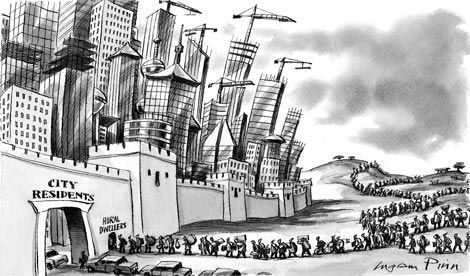
Figure 1: showing rural dwellers moving to the city Source: Pinterest; www.pinterest.com
Urbanization can be used as a tool for development, through increased labor in the urban areas and increased human resources. Despite the advantage that comes with urbanization, it poses a great threat to the environment and livelihoods of people. Countries in the Sub-Saharan Africa are recording high rates of urbanization. According to the UN report, more than half of the population is living in urban areas across the globe. Sub-Saharan African countries have had the highest urbanization rates comparing to other regions of the world. Urbanization has advantages and disadvantages to both the rural and urban areas. The following can be seen as positive impacts of urbanization:
Increased labor that promote economic development. However without external forces there cannot be economic development.
Reduced poverty. Improved livelihoods since people will have access to better and improved services.
Improved incomes since they get employment in the urban areas.
Investment in urban infrastructure and services such as energy, water, communication towers and transportation routes.
Increased remittances in the rural areas which would be in turn improve agricultural productivity.
Despite the benefits that come with urbanization, there are a lot disadvantages that come with it, economically, socially and especially economically.
Loss of agricultural and arable lands through the expansion and extension of city boundaries.
Increased crime rates due to lack of jobs especially in the developing countries
Increased waste generation
Environmental degradation
Increased emission of greenhouse gases. With increased number of the urban population most of the green canopy is replaced with infrastructure such as houses and offices.
Loss of biodiversity.
What is Urban Agriculture?
Urban Agriculture is the production of crops and raring of animals within (intra-urban) and around the urban area (peri-urban). It also includes production of non-food products such as flowers, trees and potted plants.

Figure 2: Showing women planting crops Source: Pinterest (2024); www.pinterest.com
Benefits of Urban Agriculture
Builds safe, healthy and green environments in neighborhoods, schools and abandoned areas.
Gardening and farming involve city dwellers in healthy, active work and recreation.
Provision of fresh food hence improving the community’s nutrition health
Aid in the community’s food security
It is not being said that urban agriculture is the solution to food insecurity but it aids in the provision of food. As the cities grow, urban planners extend city boundaries as a way of accommodating more people in the cities and increasing urban development. As a result, Agriculture and arable land is lost and food production is reduced as some famers no longer have land or enough land to produce food. Urban agriculture hence helps people produce food by using their backyards for crops or building small green house and chicken stables. Other people go as far as securing a relatively large piece of land in the peri-urban areas for food production which is used to feed the urban population.

Figure 3: Showing a farmer with his produce Source: Entio Farms (2024); https://web.facebook.com/derek.zikapanda/photos
The image above shows a good example of urban agriculture that is happening in cities. Its an urban farmer in Lilongwe, Malawi who manages a small farm for economic purposes and some of which he shares and consumes with family and friends. He has animals for consumption, potted plants and different types of crops and herbs.
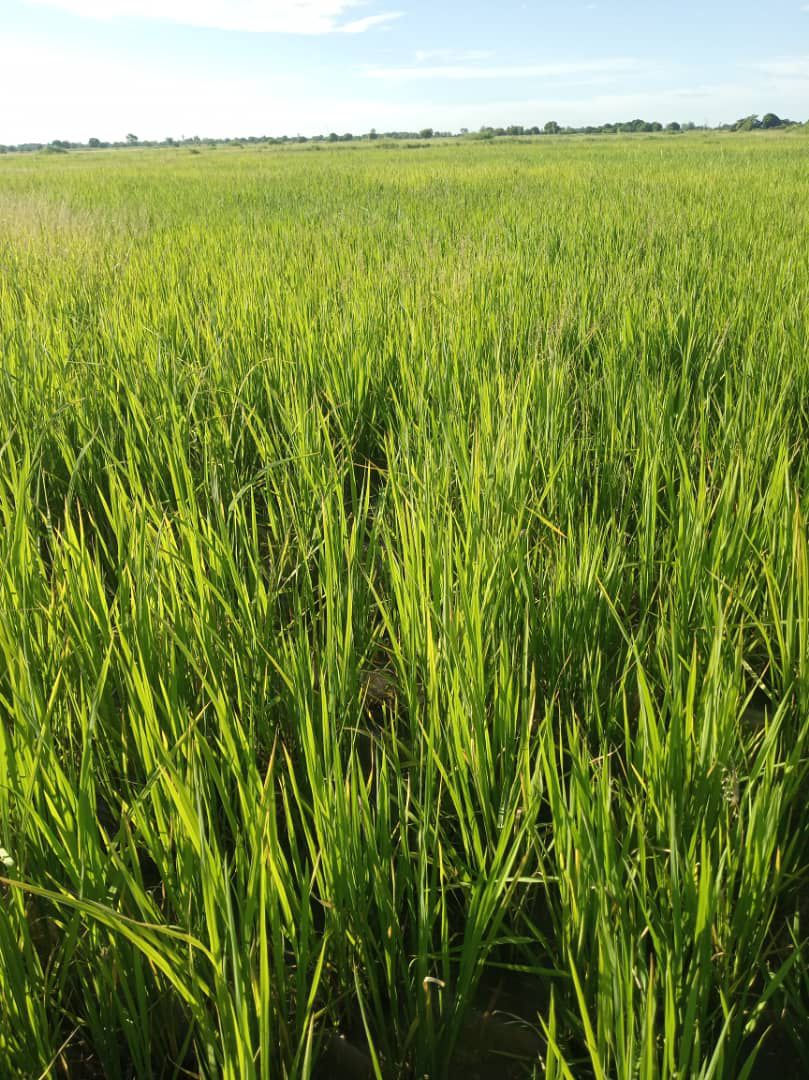
Figure 4: Shows a rice field in the outskirts of Lilongwe Source: Dennis Farm
The image above shows an image of rice farming which is done in the peri-urban area of Lilongwe, Malawi at Mpingu, Kanyerere . After harvesting, the farmer stores some for consumption while most of it is sold within the urban area of Lilongwe and some is even transported to other districts.
Once city planners and policy makers know and understand the values of various food-provisioning strategies in terms of livelihood and food security, they can apply the knowledge to city development. However, without necessary bylaws to govern and manage urban agriculture it can cause some challenges for urban planning.



Comments